Create inclusive spaces. Support thriving children. Build stronger futures.
Our Inclusive Early Years Environment Audit & Checklist is a practical, evidence-based tool designed to help nurseries, preschools, childminders, and early years settings evaluate and enhance the inclusivity of their learning environments. Rooted in the Department for Education’s Inclusive Education Estates Guidance (June 2026), this audit supports settings to create spaces where every child can feel safe, regulated, and ready to learn.
This comprehensive audit covers 11 key environmental areas, from accessibility and sensory comfort to outdoor learning and sanitary provision. Each section includes clear audit questions, a practical checklist, and direct citations from the DfE guidance—such as “free-flow play with direct level access to outdoors” and “create low stimulus quiet corners and quiet spaces, such as a soft furnished den”—to ensure your improvements are aligned with national expectations.
What’s Inside
Accessibility & Movement Ensure routes are clear, surfaces safe, and movement opportunities available for regulation and motor development.
Navigation & Wayfinding Create predictable, calm transitions with child-height signage and clearly defined activity zones.
Quiet Spaces & Sensory Comfort Reduce visual overload, declutter displays, and provide low-stimulus nooks for regulation.
Acoustics Improve sound quality with soft furnishings, acoustic panels, and thoughtful zoning.
Lighting & Visual Comfort Use warm, even lighting and natural materials to create visually calm environments.
Ventilation & Air Quality Promote wellbeing with safe window access, CO₂ monitoring, and fragrance-free cleaning.
Thermal Comfort Provide shade, manage heat gain, and ensure year-round comfort indoors and outdoors.
Access to Nature Incorporate plants, natural textures, sensory gardens, and edible planting areas.
Sanitary Provision Create calm, child-friendly toilet areas with reduced sensory triggers.
Furniture, Fittings & Equipment Use adaptable, child-sized furniture and soft furnishings to support comfort and zoning.
Outdoor Environment Develop sensory gardens, quiet dens, natural play elements, and level access to outdoors.
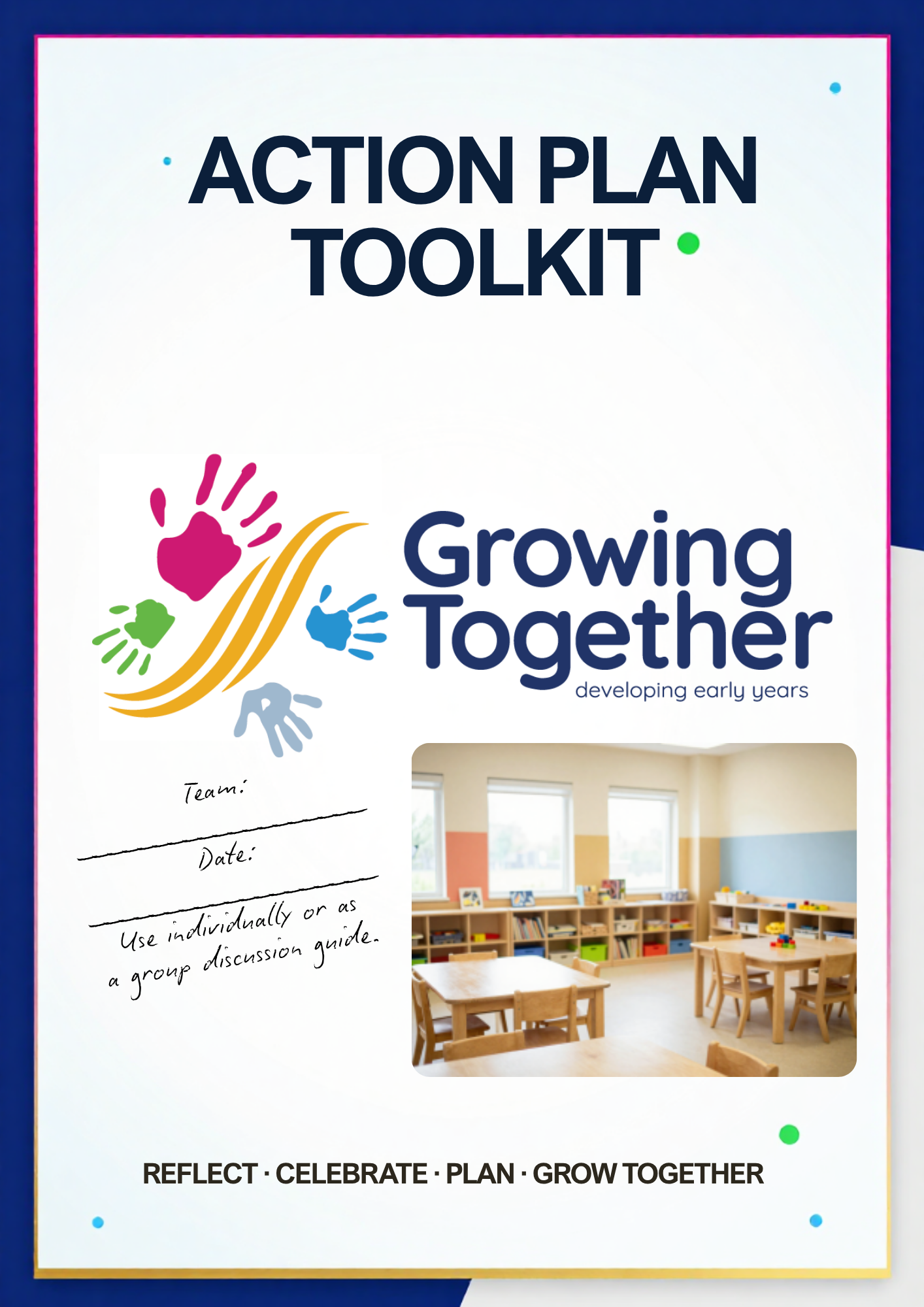
SMART Target Action Plan Included
Turn your audit findings into meaningful change with a built-in SMART Action Plan, helping you set clear, measurable, achievable goals that align with your setting’s priorities.
Who This Audit Is For
✔ Nurseries
✔ Preschools
✔ Childminders
✔ Early Years SEND leads
✔ Setting managers and owners
✔ Local authorities and advisory teams
Why Settings Love It
Create inclusive spaces. Support thriving children. Build stronger futures.
Our Inclusive Early Years Environment Audit & Checklist is a practical, evidence-based tool designed to help nurseries, preschools, childminders, and early years settings evaluate and enhance the inclusivity of their learning environments. Rooted in the Department for Education’s Inclusive Education Estates Guidance (June 2026), this audit supports settings to create spaces where every child can feel safe, regulated, and ready to learn.
This comprehensive audit covers 11 key environmental areas, from accessibility and sensory comfort to outdoor learning and sanitary provision. Each section includes clear audit questions, a practical checklist, and direct citations from the DfE guidance—such as “free-flow play with direct level access to outdoors” and “create low stimulus quiet corners and quiet spaces, such as a soft furnished den”—to ensure your improvements are aligned with national expectations.
What’s Inside
Accessibility & Movement Ensure routes are clear, surfaces safe, and movement opportunities available for regulation and motor development.
Navigation & Wayfinding Create predictable, calm transitions with child-height signage and clearly defined activity zones.
Quiet Spaces & Sensory Comfort Reduce visual overload, declutter displays, and provide low-stimulus nooks for regulation.
Acoustics Improve sound quality with soft furnishings, acoustic panels, and thoughtful zoning.
Lighting & Visual Comfort Use warm, even lighting and natural materials to create visually calm environments.
Ventilation & Air Quality Promote wellbeing with safe window access, CO₂ monitoring, and fragrance-free cleaning.
Thermal Comfort Provide shade, manage heat gain, and ensure year-round comfort indoors and outdoors.
Access to Nature Incorporate plants, natural textures, sensory gardens, and edible planting areas.
Sanitary Provision Create calm, child-friendly toilet areas with reduced sensory triggers.
Furniture, Fittings & Equipment Use adaptable, child-sized furniture and soft furnishings to support comfort and zoning.
Outdoor Environment Develop sensory gardens, quiet dens, natural play elements, and level access to outdoors.
SMART Target Action Plan Included
Turn your audit findings into meaningful change with a built-in SMART Action Plan, helping you set clear, measurable, achievable goals that align with your setting’s priorities.
Who This Audit Is For
✔ Nurseries
✔ Preschools
✔ Childminders
✔ Early Years SEND leads
✔ Setting managers and owners
✔ Local authorities and advisory teams
Why Settings Love It

 Image 1 of 1