5 tips for ensuring the voice of the child is being used in your early years setting.
A high-quality early years setting values, listens and responds to the voice of the child. Pauline Milsted (Early Years Consultant) shares with us 5 top tips for ensuring that your early years setting values the voice of the child.
A high-quality early years setting values, listens and responds to the voice of the child. Pauline Milsted (Early Years Consultant) shares with us 5 top tips for ensuring that your early years setting values the voice of the child.
1. Ensure the environment reflects your children’s interests, schemas and stage of development.
Case Study:
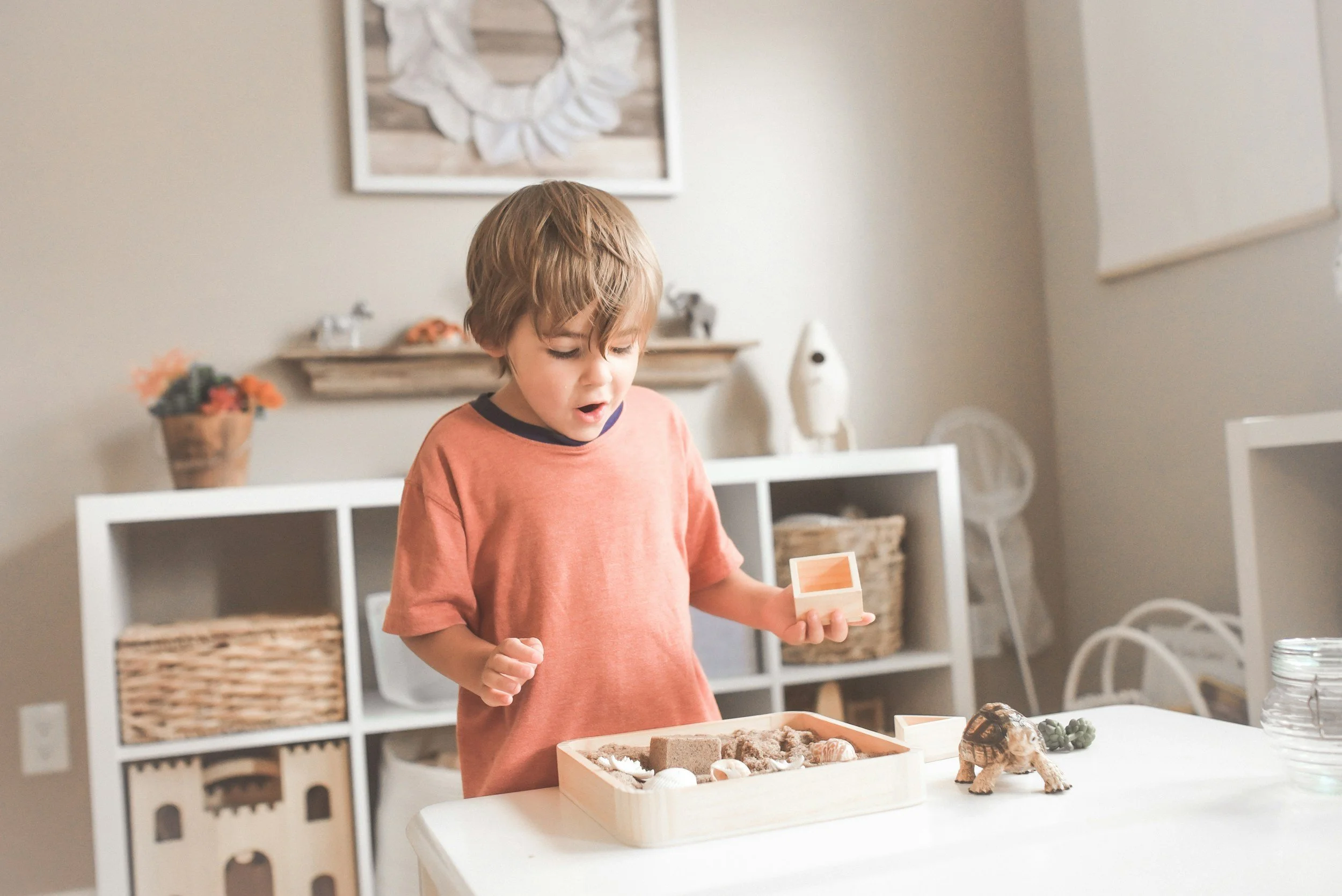
As an Early Years Consultant I often visit settings, when I visit good settings I see the children in the environment. For example, I might see a whole dinosaur area set up with two children enthusiastically playing. While hearing a small comment from their key worker, “Oh Johnny and Isla love dinosaurs”. Showing they have listened to and responded to what the children like, what there current interests are - what motivates them to learn. I might see in another corner cars and ramps set up for children to explore the movement of their cars. While noticing that there is a lot of scarfs and balls around the setting. I look in the tuff-tray that has lots of lines drawn in it, with the toy cars placed inside. I turn and see a child who is obviously in the trajectory schema, throwing toys, jumping around and exploring their own movement. Again, just a tiny comment from a member of staff showing they understand that child. “Oh that’s Jack at the moment he loves the swings and throwing things. We are trying to support his schema!” This to me is always the start of a successful visit where I can see the voice of the child, staff who understand their children and are following their interests. A setting where I think those children are heard.
2. Involve children in reflecting and developing your enabling environment. Ask the children what they would or would not like in the setting. This could be that they take photos of what makes them happy or sad. Part of a small group discussion or circle time. You could also facilitate conversation through the use of puppets or while drawing pictures, to help children to communicate in different ways. When thinking about buying new things for the environment you can involve the children in researching looking in catalogues or making shopping lists together.
3. Observe children carefully. Remember that the voice of the child is not just verbal. We communicate in all sorts of ways and not all children will have the language skills to use words. Therefore, it is important that we take the time to observe, watch children’s cues, body language, behaviour, learn about children and their families from others involved in their lives parent/carers and other professionals; alongside listening.
4. Empower children to have their voices heard. In practice this might look like giving children choices and opportunities to practice having control over their world. Encouraging children to participate in setting routines and activities. Or making sure that we have the correct communication tools in place for them to communicate with others, for example, PECS (Picture Exchange Communication System) cards, or staff who are trained in Makaton.
5. Create an environment and ethos that promotes children’s self-confidence and self-esteem. Build nurturing positive relationships that encourage the development of self-confidence and self-esteem. Have a curriculum and ethos that has embedded in it an approach that supports children’s emotional literacy and resilience.
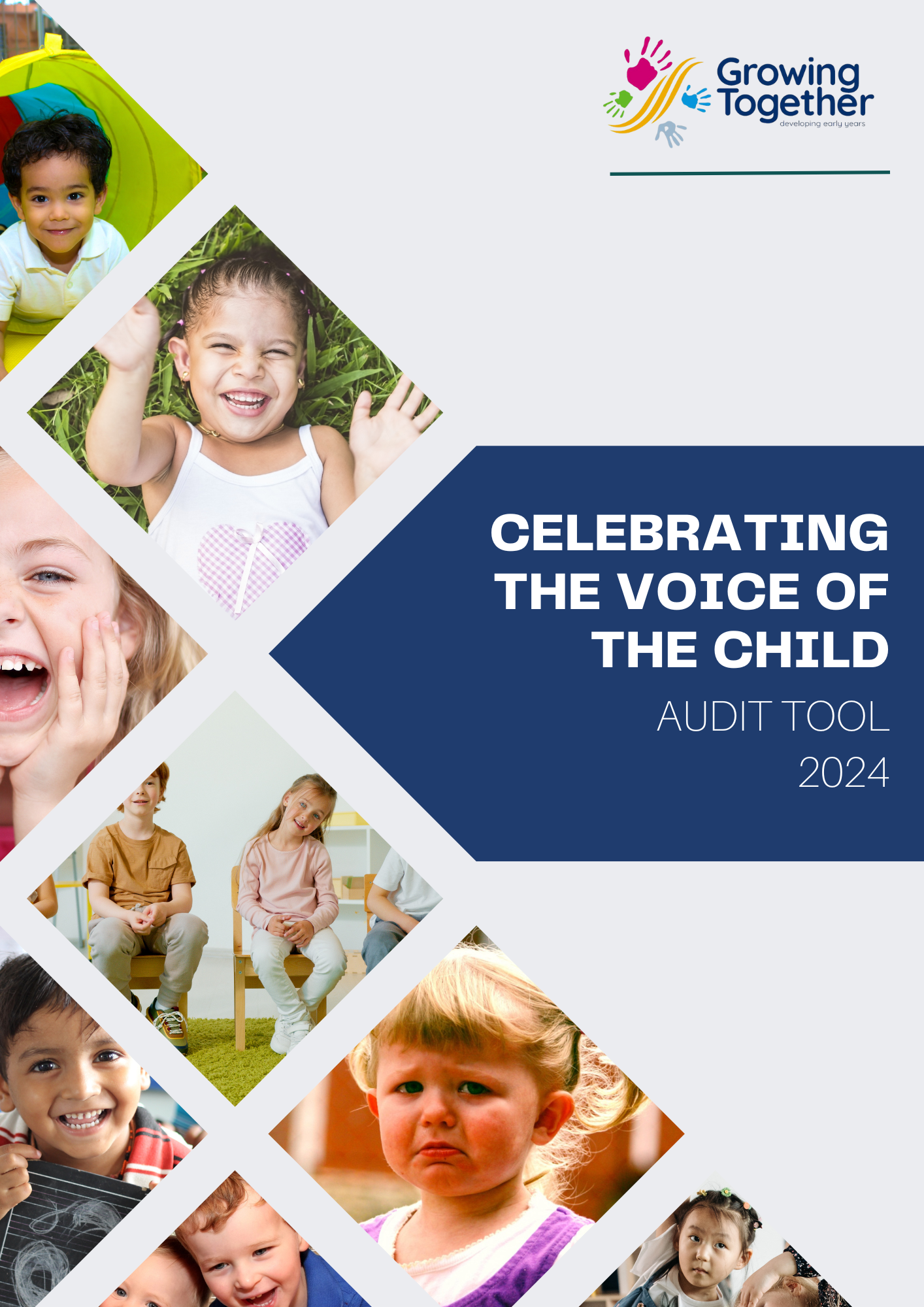
With children’s mental health week 2024 focusing on the theme ‘My Voice Matters’. We have developed an audit resource to be used in early years settings to ensure that we are capturing the voice of the child through our practice. This tool has been designed to support early years staff reflections and evaluations that can feed into the continuous development of the setting.
This audit tool contains 3 easy to use audits, breaking it down into bitesize chunks.
Key Person Voice of Child
Enabling Environment Voice of Child
Safeguarding Voice of the Child
This document comes in a pdf, allowing you to print and use the pages as and when you need them.