
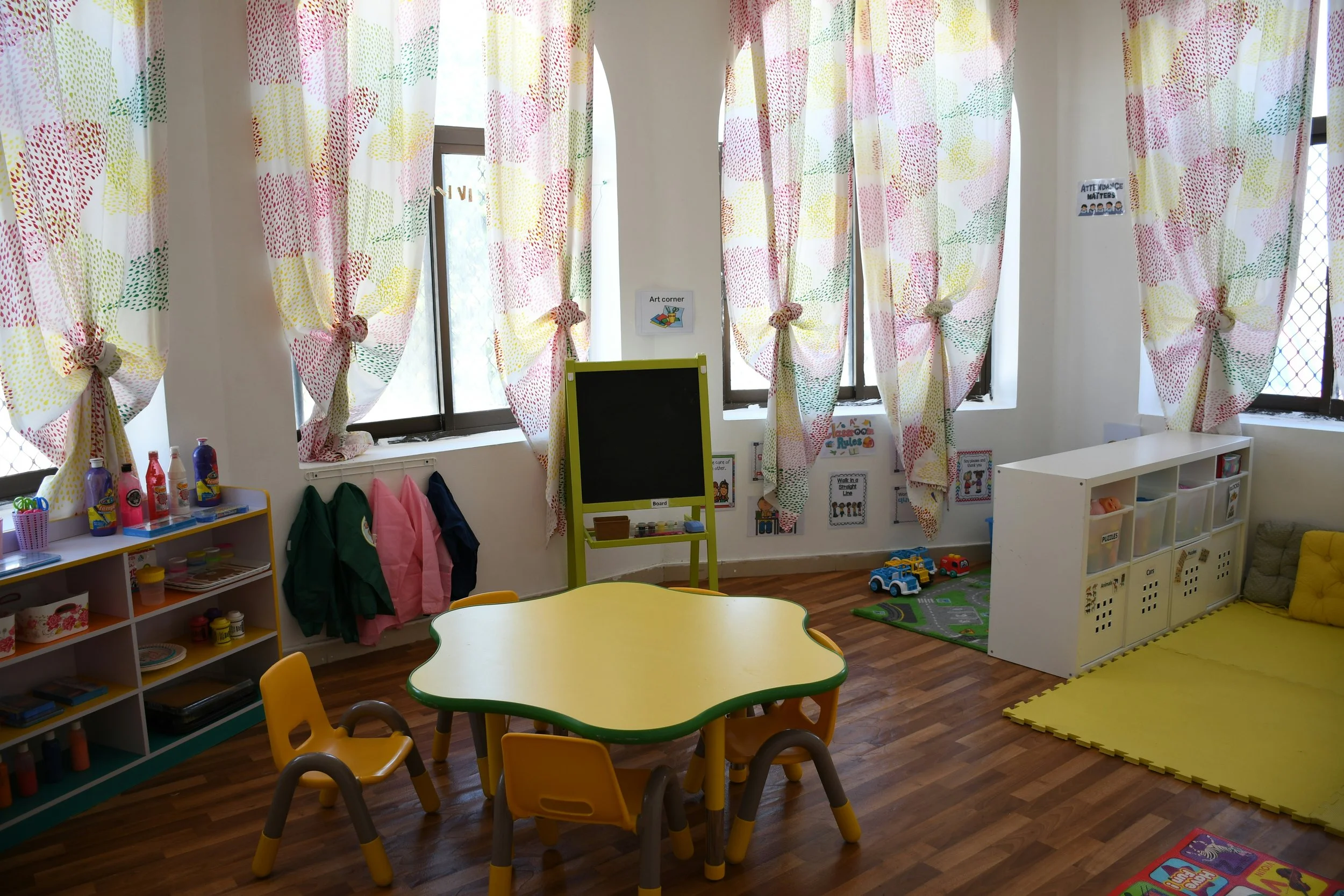
Inclusive Education Estates: What the New DfE Guidance Means for Early Years Settings
Why the DfE’s Inclusive Education Estates Guidance Matters
The DfE states:
“Every child or young person deserves a high‑quality, inclusive education, supported by an environment that meets their needs.”
Inclusion is defined as all staff supporting the learning, wellbeing and safety needs of all children, so they feel they belong, achieve and thrive.
The Department for Education has released new guidance — Inclusive Education Estates: Supporting Inclusive Environments in Mainstream Settings (June 2026). For early years leaders, this is a powerful reminder of something we’ve always known: the environment shapes children’s learning, wellbeing and sense of belonging.
In early years theory, Montessori calls this the prepared environment. Reggio Emilia describes it as the third teacher. And now, the DfE is placing national emphasis on creating spaces where every child can belong, achieve and thrive.
This blog breaks down what the guidance says, why it matters, and what early years settings should consider when designing inclusive environments.
Why the DfE’s Inclusive Education Estates Guidance Matters
The DfE states:
“Every child or young person deserves a high‑quality, inclusive education, supported by an environment that meets their needs.”
Inclusion is defined as all staff supporting the learning, wellbeing and safety needs of all children, so they feel they belong, achieve and thrive.
This aligns strongly with early years pedagogy:
Montessori: independence, order, calm and child‑led exploration
Reggio Emilia: the environment as the third teacher
Contemporary neuroscience: sensory‑safe, predictable spaces support regulation and readiness to learn
The guidance is non‑statutory but backed by robust evidence:
The Education Endowment Foundation (EEF) shows inclusive environments improve engagement.
The HEAD Project found that environmental factors (light, temperature, air quality, flexibility, colour) account for 16% of variation in children’s learning progress.
Natural light, natural materials and access to nature reduce stress and support concentration.
For early years practitioners, this is not new — but it is affirming.
The 10 Core Elements of Inclusive Design
The DfE highlights ten elements that support inclusion across all phases:
Accessibility & movement
Navigation & wayfinding
Quiet spaces & sensory comfort
Acoustics
Lighting & visual comfort
Ventilation
Thermal comfort
Access to nature
Sanitary provision
Furniture, fittings & equipment
These principles echo Montessori’s prepared environment and Reggio Emilia’s emphasis on sensory richness, autonomy and emotional safety.
What This Means for Early Years Settings
🌱 1. Access to Nature and Natural Materials
Early years children regulate through sensory experiences. The guidance encourages:
Natural materials
Soft, muted colour palettes
Views of nature
Edible gardens and sensory planting
Shaded quiet outdoor spaces
This mirrors Montessori’s use of natural materials and Reggio’s belief that nature supports curiosity, wellbeing and connection.
🔊 2. Acoustics That Support Calm and Communication
Noise is a major trigger for dysregulation. The guidance recommends:
Acoustic panels
Soft furnishings
Quieter equipment (e.g., paper towels instead of hand dryers)
Separating noisy and quiet zones
This supports communication, emotional regulation and social interaction.
🧭 3. Clear Navigation and Predictable Spaces
Predictability reduces cognitive load and supports independence — a core Montessori principle.
The guidance suggests:
Clear activity zones
Simple circulation routes
Visual cues and consistent signage
Makaton‑supported wayfinding
This helps children feel confident and secure.
🧘 4. Quiet, Low‑Stimulus Spaces for Regulation
The DfE emphasises the importance of calm spaces:
Cosy corners
Soft‑furnished dens
Small group rooms
Low‑stimulus areas
These reflect Reggio’s “places of pause” and Montessori’s respect for children’s need for solitude and calm.
🏃 5. Movement and Sensory‑Motor Opportunities
Movement is foundational for early learning. The guidance highlights:
Climbing, balancing and jumping
Free‑flow access to outdoors
Sensory paths
Trails and physical challenges
This aligns with early years theory that sees movement as essential for cognitive development.
🌬️ 6. Air Quality, Ventilation and Thermal Comfort
Healthy, comfortable spaces support attention and wellbeing. The guidance recommends:
Safe window ventilation
CO₂ monitoring
Avoiding artificial fragrances
Shaded outdoor areas
Natural landscaping to reduce heat
These are simple, low‑cost improvements.
Reflection Questions for Early Years Leaders
Does our environment act as a third teacher?
Where are the sensory pressure points in our day?
Do children have access to both stimulation and calm?
How predictable and navigable is our space?
Do children experience nature meaningfully every day?
Are families and staff involved in shaping the environment?
Final Thoughts
The DfE’s Inclusive Education Estates guidance doesn’t ask early years settings to become something new. It validates what early years educators have always known:
The environment is a powerful tool for inclusion.
Small, thoughtful changes — many of them low‑cost — can help every child feel safe, regulated and ready to learn.
And that’s the heart of early years practice.

Create inclusive spaces. Support thriving children. Build stronger futures.
Our Inclusive Early Years Environment Audit & Checklist is a practical, evidence-based tool designed to help nurseries, preschools, childminders, and early years settings evaluate and enhance the inclusivity of their learning environments. Rooted in the Department for Education’s Inclusive Education Estates Guidance (June 2026), this audit supports settings to create spaces where every child can feel safe, regulated, and ready to learn.
This comprehensive audit covers 11 key environmental areas, from accessibility and sensory comfort to outdoor learning and sanitary provision. Each section includes clear audit questions, a practical checklist, and direct citations from the DfE guidance—such as “free-flow play with direct level access to outdoors” and “create low stimulus quiet corners and quiet spaces, such as a soft furnished den”—to ensure your improvements are aligned with national expectations.
What’s Inside
Accessibility & Movement Ensure routes are clear, surfaces safe, and movement opportunities available for regulation and motor development.
Navigation & Wayfinding Create predictable, calm transitions with child-height signage and clearly defined activity zones.
Quiet Spaces & Sensory Comfort Reduce visual overload, declutter displays, and provide low-stimulus nooks for regulation.
Acoustics Improve sound quality with soft furnishings, acoustic panels, and thoughtful zoning.
Lighting & Visual Comfort Use warm, even lighting and natural materials to create visually calm environments.
Ventilation & Air Quality Promote wellbeing with safe window access, CO₂ monitoring, and fragrance-free cleaning.
Thermal Comfort Provide shade, manage heat gain, and ensure year-round comfort indoors and outdoors.
Access to Nature Incorporate plants, natural textures, sensory gardens, and edible planting areas.
Sanitary Provision Create calm, child-friendly toilet areas with reduced sensory triggers.
Furniture, Fittings & Equipment Use adaptable, child-sized furniture and soft furnishings to support comfort and zoning.
Outdoor Environment Develop sensory gardens, quiet dens, natural play elements, and level access to outdoors.
SMART Target Action Plan Included
Turn your audit findings into meaningful change with a built-in SMART Action Plan, helping you set clear, measurable, achievable goals that align with your setting’s priorities.
Who This Audit Is For
✔ Nurseries
✔ Preschools
✔ Childminders
✔ Early Years SEND leads
✔ Setting managers and owners
✔ Local authorities and advisory teams
Why Settings Love It
Easy to use
Evidence-based
Practical and actionable
Supports SEND inclusion
Helps settings meet DfE expectations
Strengthens quality improvement processes